Blog
Guides, tips, and updates for writers.
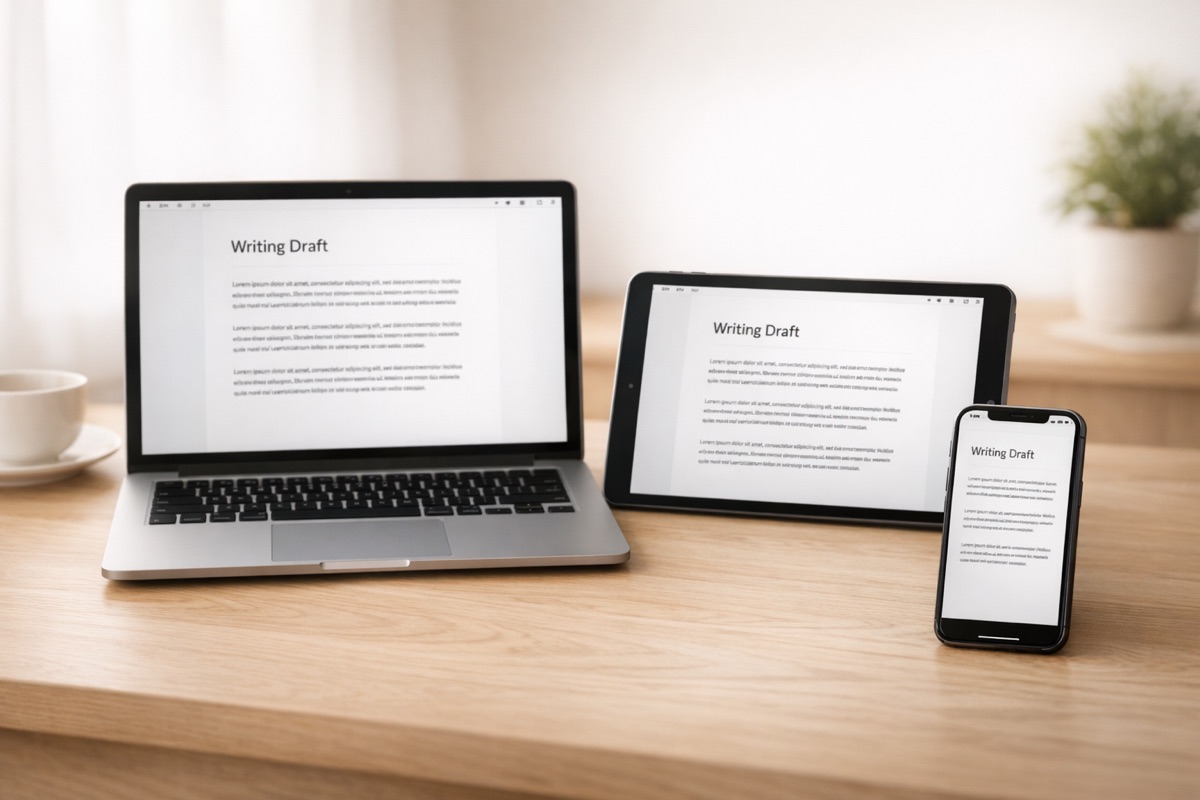 Writing across devices: why it matters and how to make it workMost writers do not sit down at the same desk every time they write. Some days it is the laptop at home. Other days it is a tablet on the train or a phone during a lunch break. The problem is not finding time to write. It is that the draft is stuck on one device while you are somewhere else.
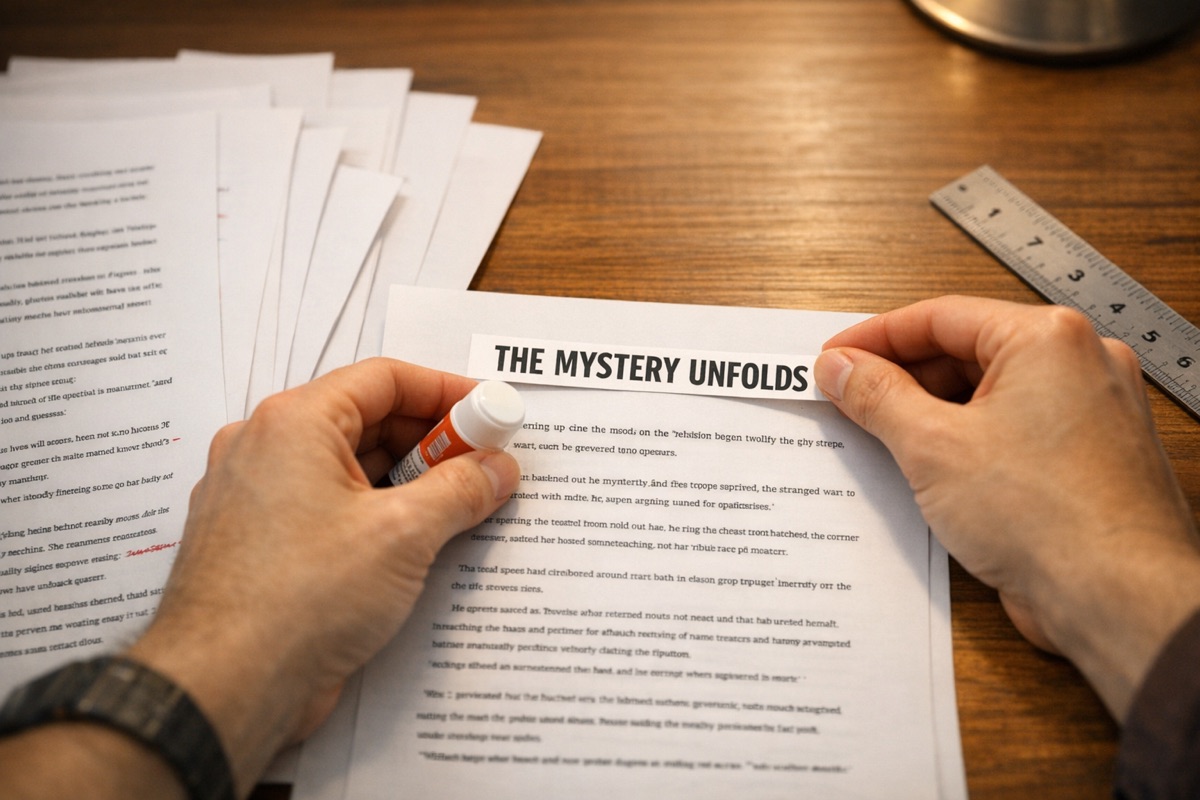 Export and formatting in Plotten: a complete guideMost writing apps let you export your work. Plotten lets you control how it looks when you do.
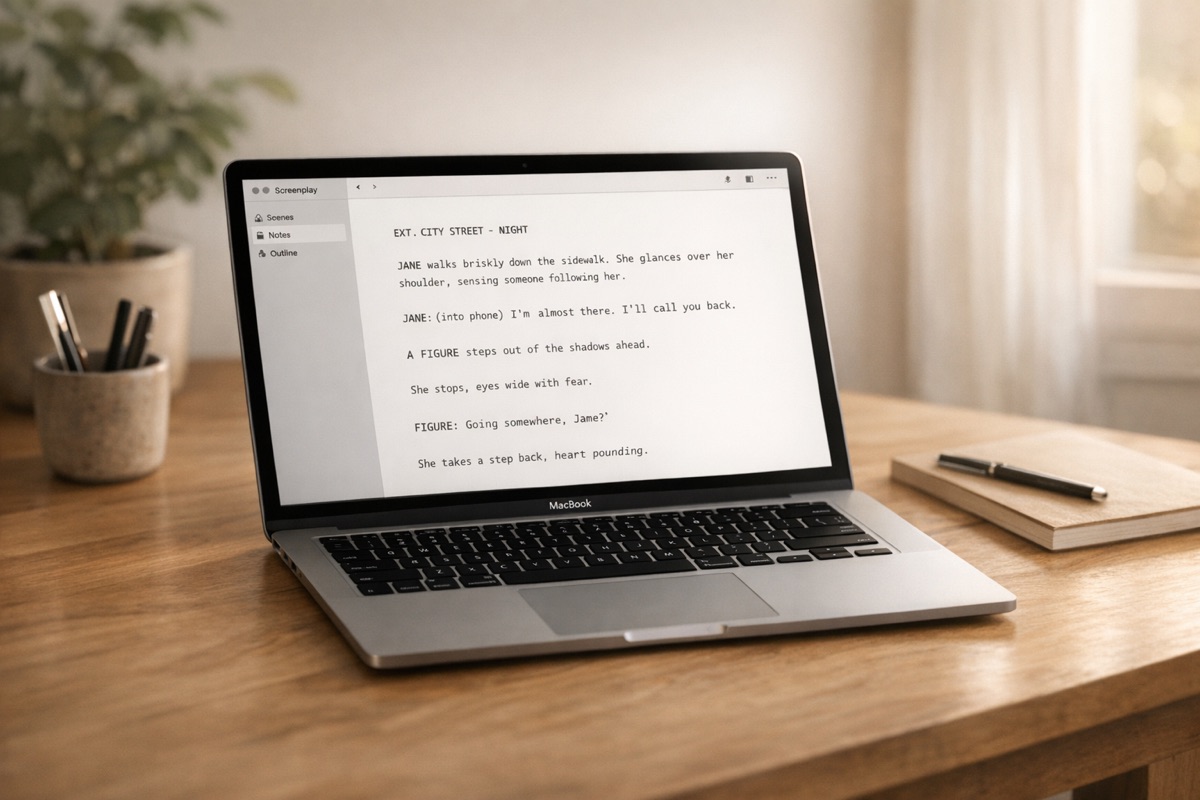 Plotten 2.0Plotten 2.0 is a focused release. The biggest change is screenplay support, but it also adds typewriter mode and a round of general polish across the app.
 Distraction-free writing: why it matters and how to achieve itMost writing sessions do not fall apart because the writer has nothing to say. They fall apart because attention gets broken into small pieces. A quick look at email turns into a browser tab. A browser tab turns into a message. By the time you get back to the draft, the sentence is gone.
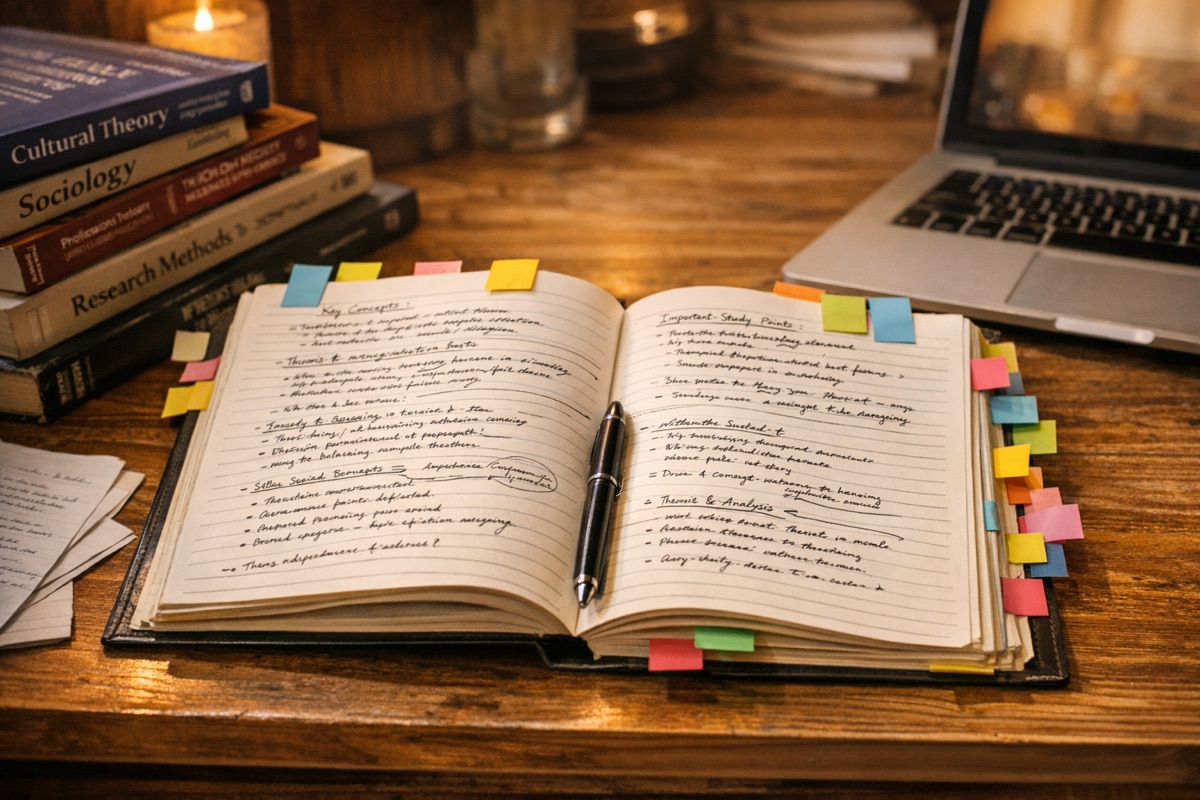 How to organize your research for a novelResearch can make a novel feel lived-in. It can also eat weeks of writing time if your notes are scattered. Most writers do not have a research problem so much as a retrieval problem: the information exists, but not where they need it when they are drafting.
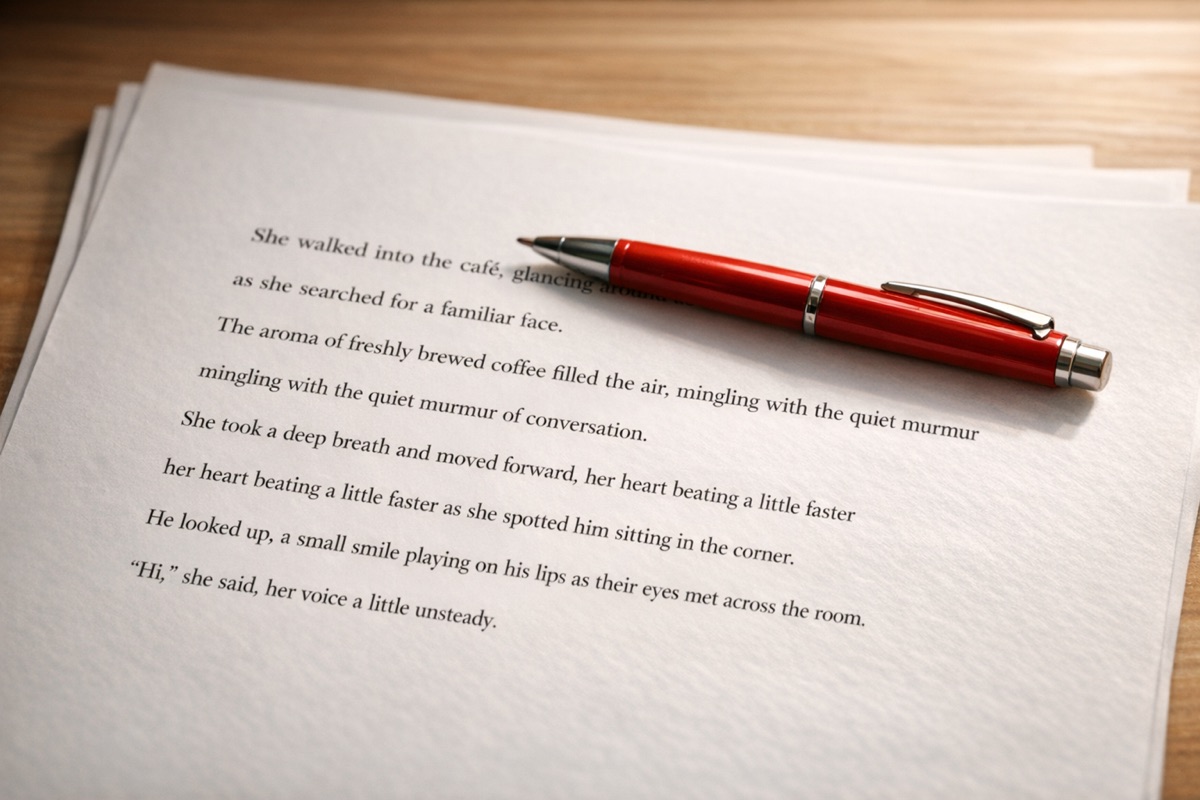 How to format a novel manuscript for submissionBy the time you are ready to query agents or submit to publishers, the writing should be doing the heavy lifting. Formatting is not where you want to stand out. Standard manuscript format exists so readers can move through a submission without friction.
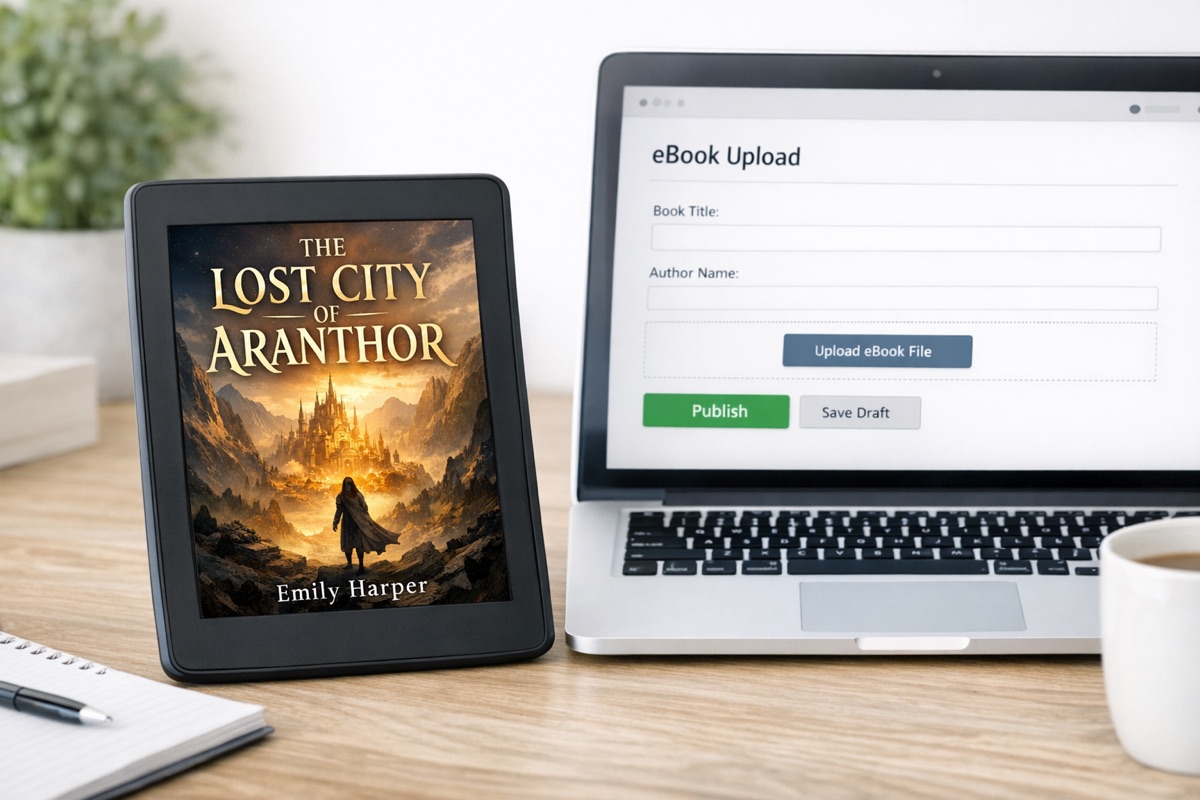 How to self-publish an ebook: from manuscript to marketplaceSelf-publishing is no longer unusual, but it still rewards the same things traditional publishing does: a strong book, careful packaging, and professional presentation. Uploading a file is easy. Publishing a book people want to read is the part that takes work.
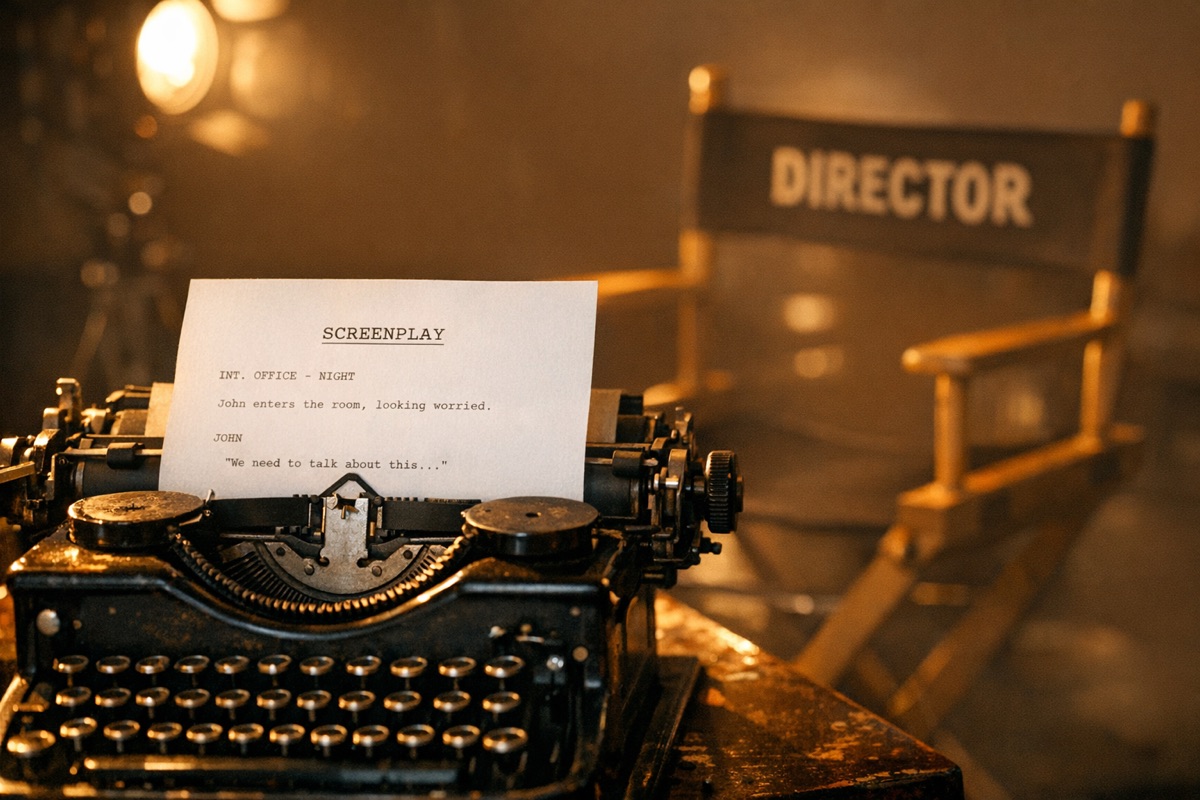 How to write a screenplayA screenplay is a blueprint for a film or episode. It needs to tell a story clearly, move quickly, and stay readable on the page. That is why screenwriting puts so much weight on structure and format. The goal is not to make the pages pretty. The goal is to make them easy for other people to work from.
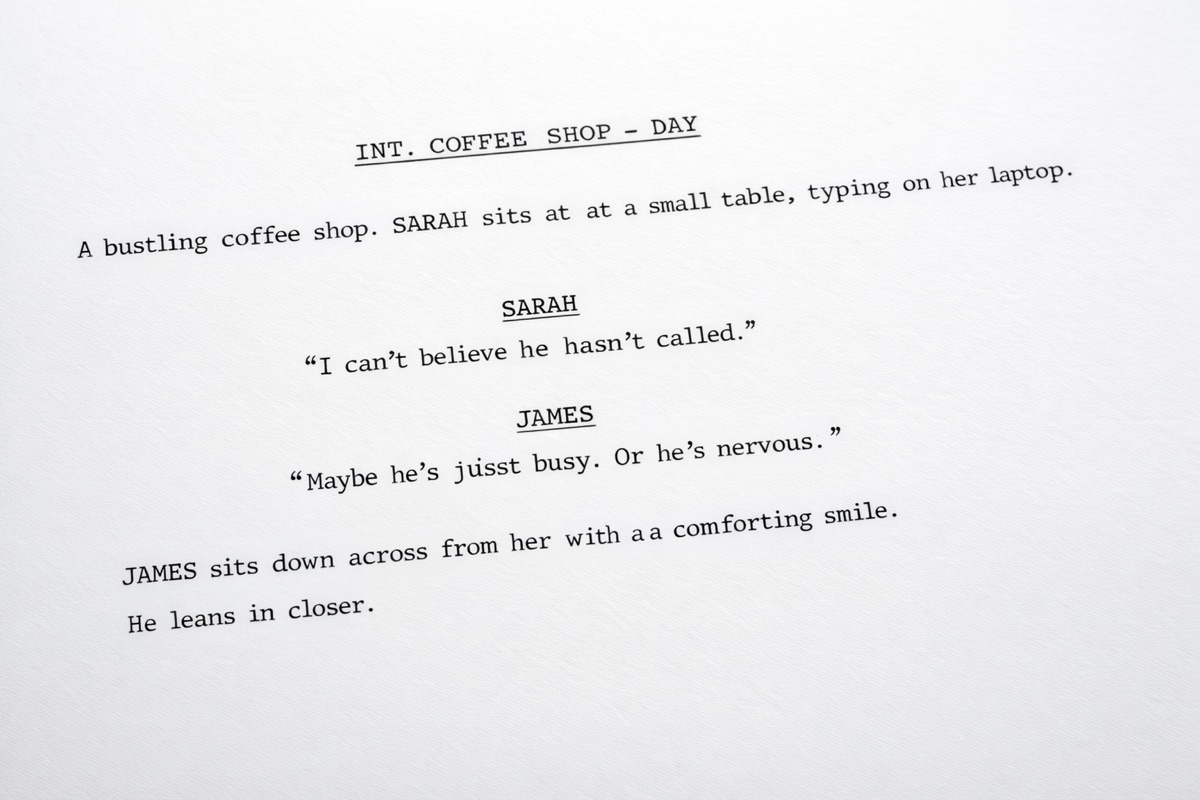 Screenplay format explained: a visual guideScreenplay format is mostly about clarity. It lets anyone reading the script, director, actor, producer, assistant, know what they are looking at right away. It also creates the rough page-to-screen-time convention people use when sizing up a project: about one page per minute, give or take.
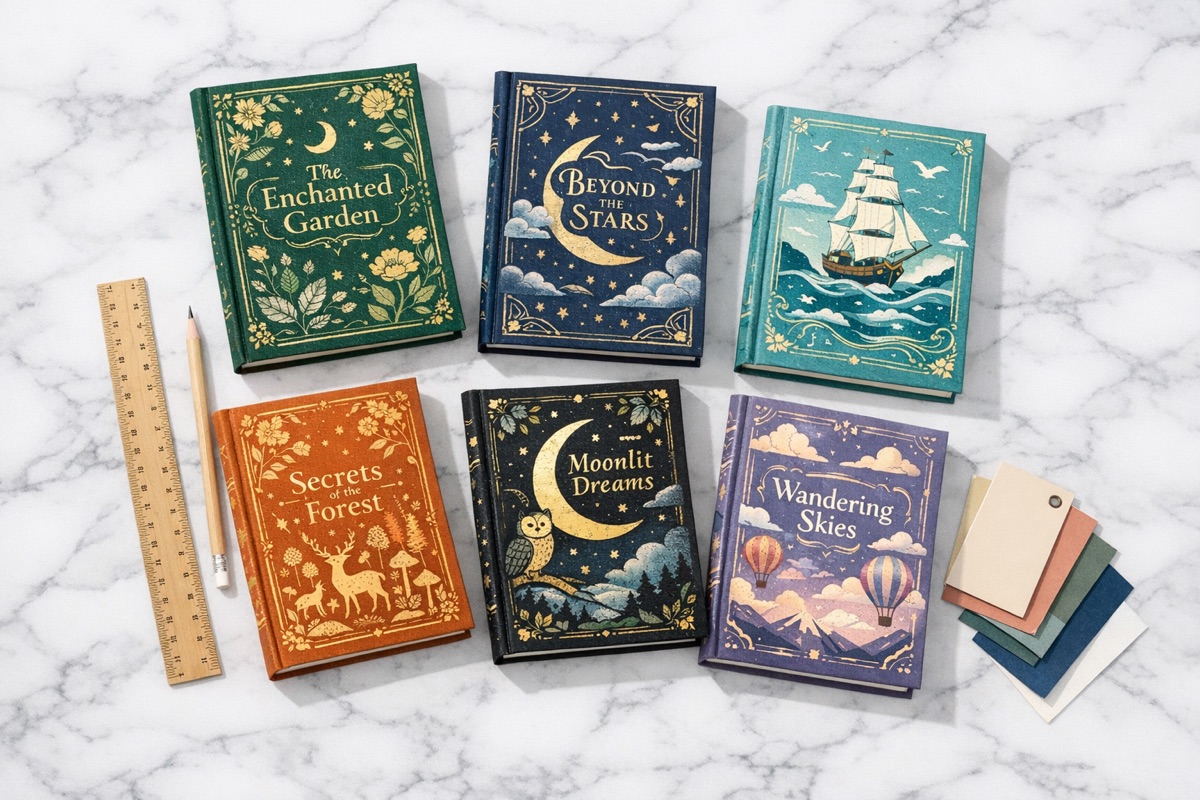 How to design a book cover that sellsA book cover does not need to explain the whole story. It needs to make the right reader stop long enough to take a closer look. Most of the time, that happens at thumbnail size on a crowded screen, not as a full-size image.
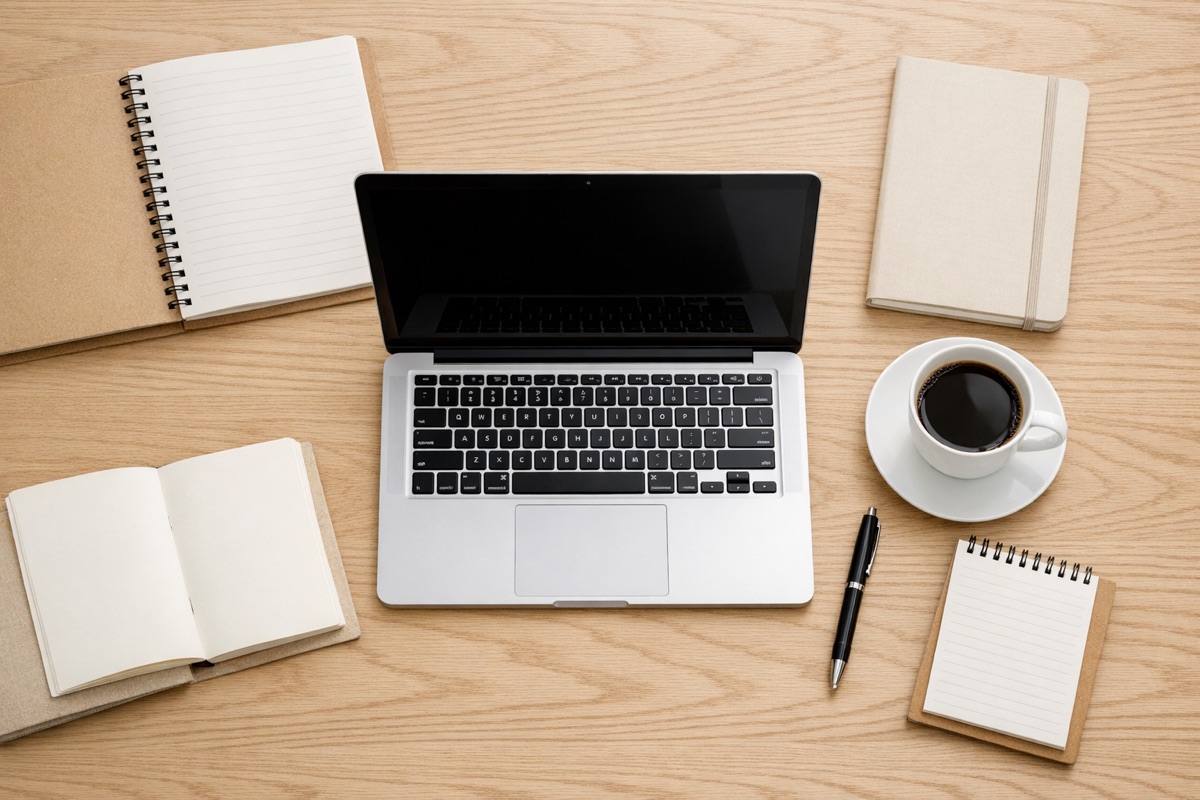 Best writing apps for Mac in 2026Choosing a writing app is less about finding the objectively best tool and more about matching the tool to the way you work. A novelist, a screenwriter, and a blogger do not need the same environment. Some writers want structure. Others want a blank page and very little else.
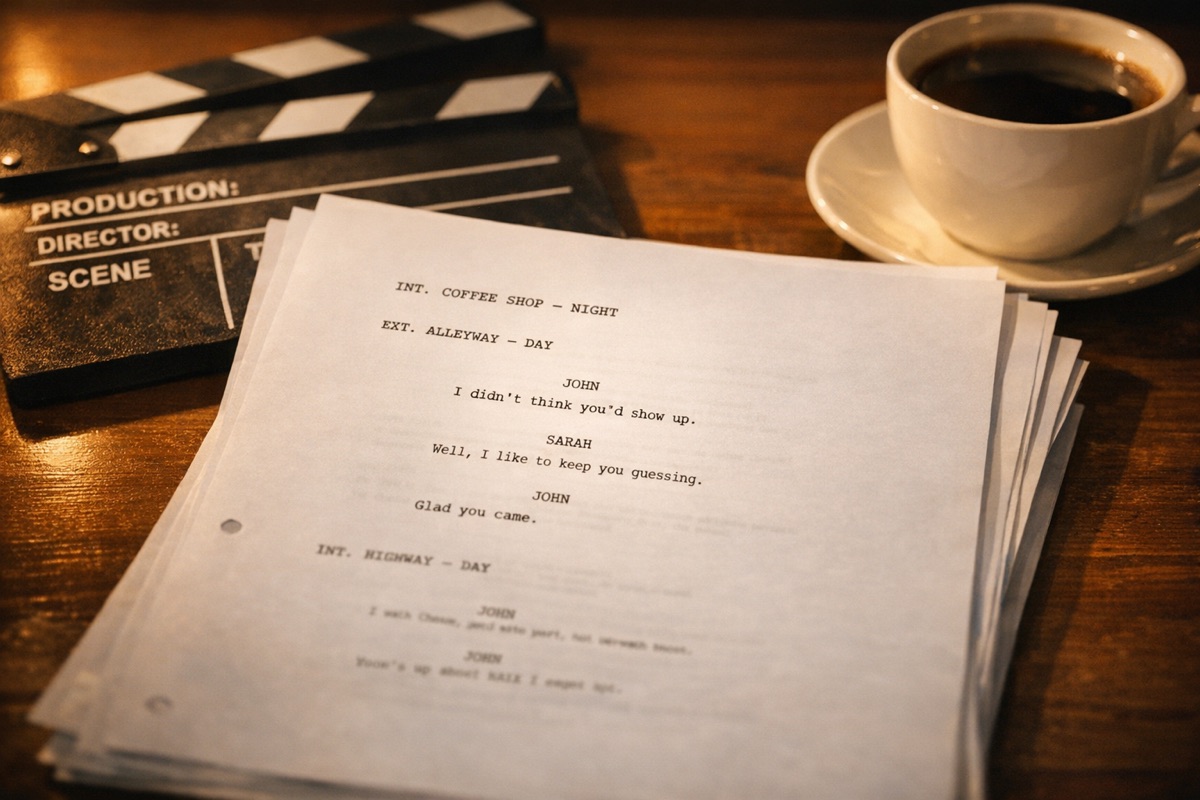 FDX export: moving your screenplay to Final DraftIf someone asks for an FDX file, they are usually asking for an editable screenplay, not just something they can read. That distinction matters. A PDF is fine for sharing. An FDX is what people want when the script needs to move into a professional workflow.
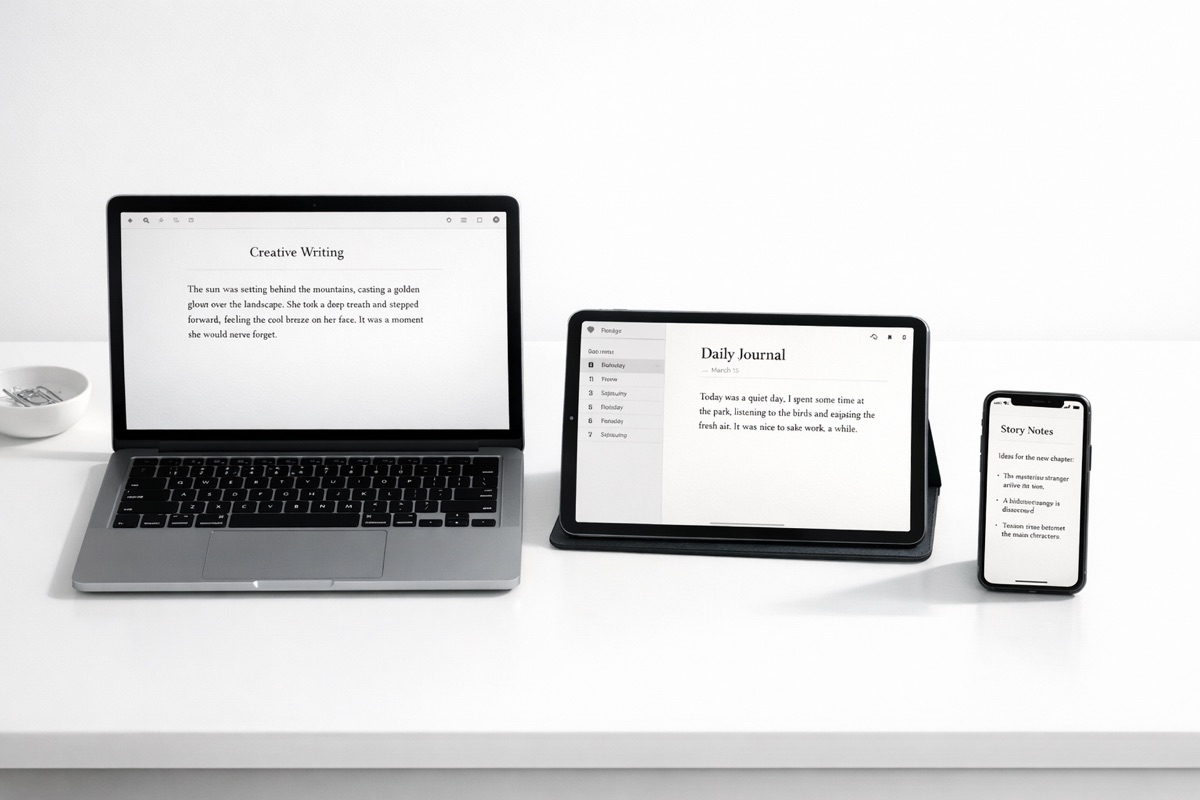 Scrivener alternatives for Mac and iPadScrivener is still the benchmark a lot of writers measure other apps against. It is powerful, flexible, and built for long manuscripts. It is also not the right fit for everyone.
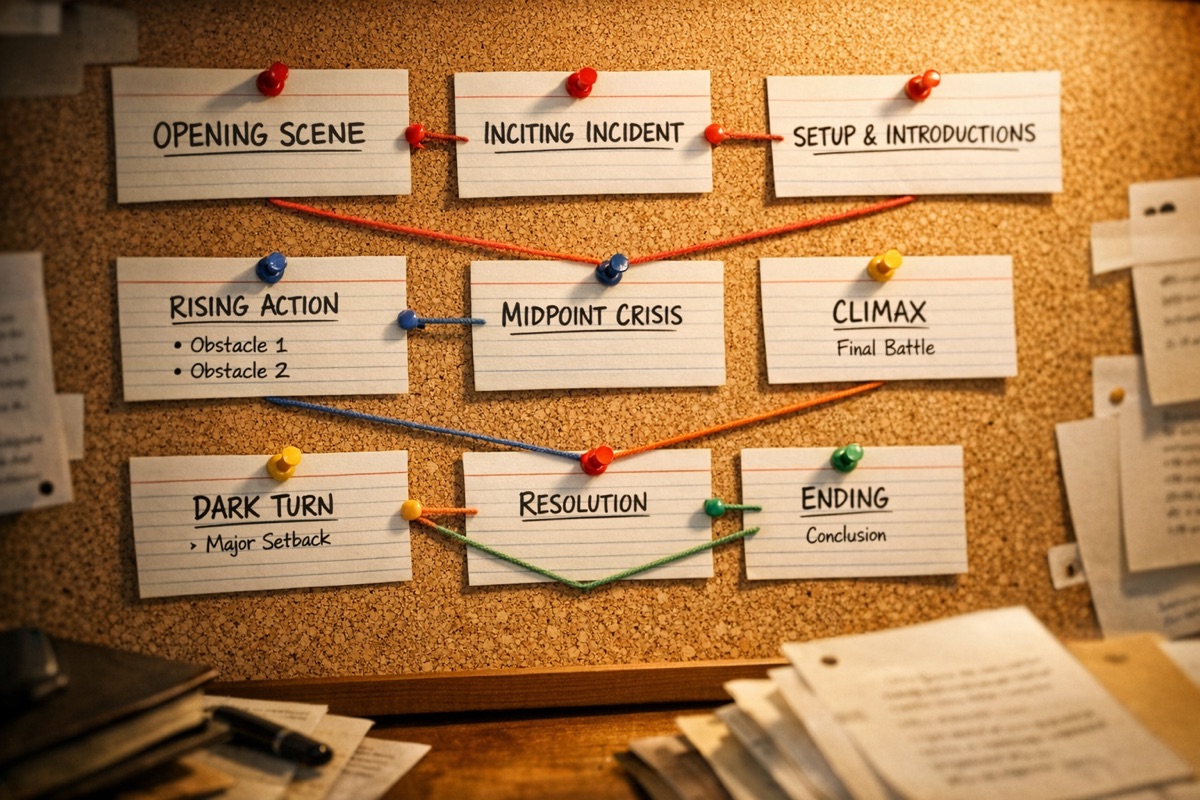 How to outline a novelNot every writer wants a detailed outline, but most novels benefit from some kind of map. An outline can be loose or formal, short or scene-by-scene. What matters is that it helps you see the shape of the book before you are too deep in the draft.